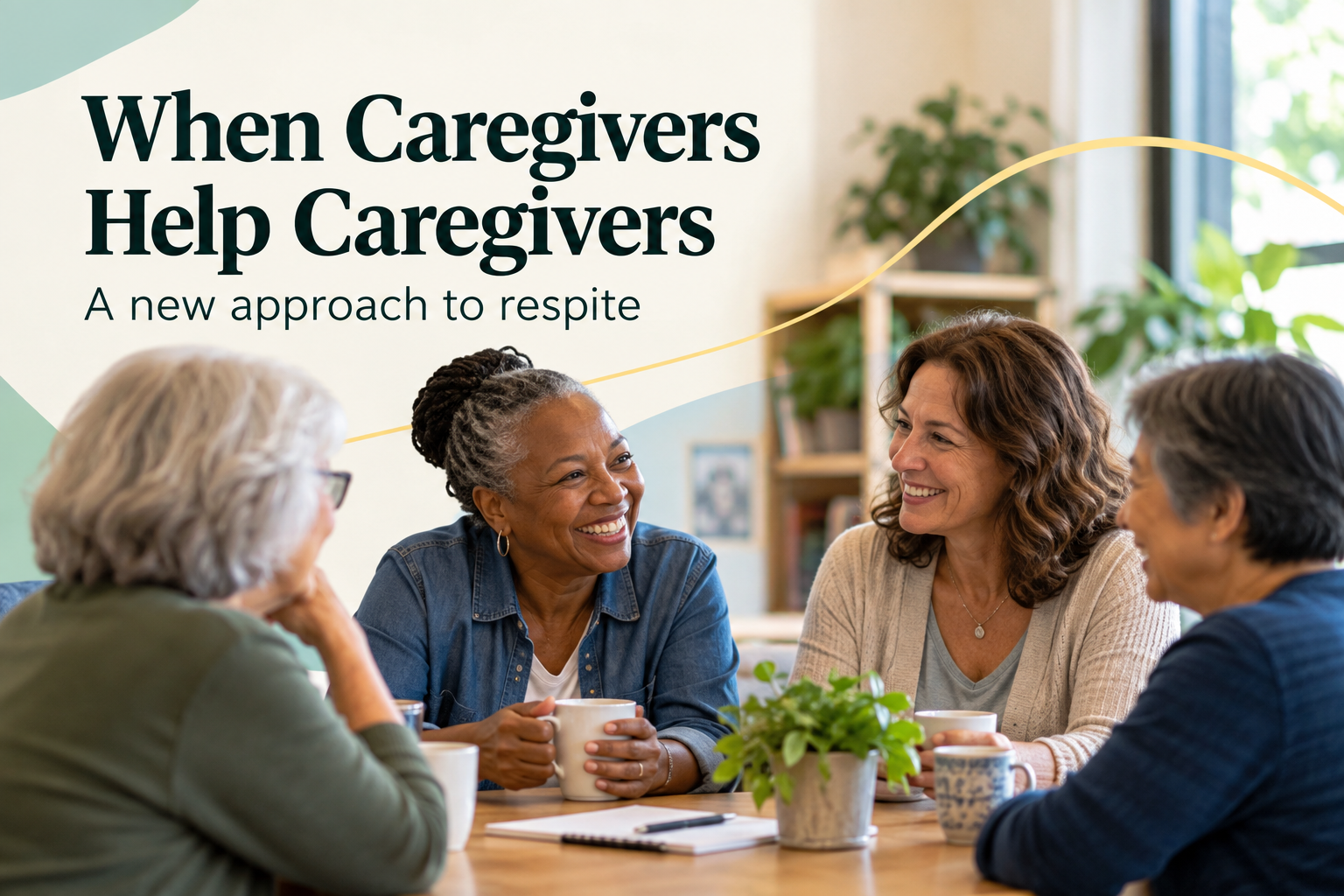
For family caregivers, finding time to step away can be surprisingly difficult. Paid respite may be expensive or unavailable. Volunteer programs can only serve so many families. And asking friends or relatives for help again and again can feel uncomfortable.
LifePath, an aging-services organization in Western Massachusetts, is testing another approach: helping caregivers support one another. With funding from the Commonwealth of Massachusetts, LifePath is partnering with Dostata to pilot a Respite Co-Op where caregivers can request and offer respite within small, trusted groups. LifePath describes the program as an innovative, low-cost response to the shortage of paid respite workers. Franklin County Now
The idea behind the model is simple.
Caregivers are brought together based on factors such as where they live, shared affiliations, or common needs. Within those groups, members can use Respite Coop to let others know when they need a break or when they are available to help. A caregiver might need a few hours to attend an appointment, run errands, or simply recharge. Someone else in the group may be able to step in.
Later, that caregiver may help another member. The support does not have to be a direct one-to-one trade. Over time, the group becomes a network of people helping one another when they have the capacity. That makes peer-to-peer respite different from simply finding another source of care. It turns an existing caregiver community into a source of practical, reciprocal support.
For LifePath, one of the most important parts of the model is building the right community first.
Allowing someone to care for a loved one requires trust, particularly when dementia or other complex care needs are involved. LifePath is therefore introducing the model through communities where relationships can develop naturally. Its Community Engagement Center, which serves people living with dementia, has been testing the platform. LifePath also plans to work with Councils on Aging, memory cafés, grandparent groups and other community hubs. Participants in its Dementia Journey program may also form respite groups after spending time building relationships with one another.
That points to an important principle for peer-to-peer respite:
The technology does not create trust. It helps a trusted community put that trust into action.
There is another reason this model is interesting. Caregiving can be isolating. LifePath sees its Respite Co-Op not only as a way to create more respite, but also as a way to strengthen relationships among caregivers and reduce loneliness and isolation. That is one of the strengths of a cooperative approach.
A caregiver is not simply receiving a service from someone outside their community. They are becoming part of a network of people who understand the realities of caregiving and can support one another over time. The result can be both time away from caregiving and a stronger sense of community.
Peer-to-peer respite is not intended to replace professional care. Some situations require trained professionals, and not every caregiver will be in a position to provide respite for someone else. Instead, the model can complement paid care, volunteer programs, family support and other respite resources.
For community organizations, that creates an interesting possibility: rather than relying entirely on finding more professional or volunteer respite providers, they can also explore how caregivers already connected to their programs might safely support one another. LifePath hopes its model can eventually be replicated and sustained at relatively low cost in other communities across Massachusetts.
And that raises a broader question for organizations supporting family caregivers:
What if part of expanding respite isn't just finding more caregivers—but making it easier for caregivers to help each other?
That is the idea LifePath is now putting to the test.
Respite Coop provides the technology that helps organizations turn that idea into a structured respite network: giving caregivers a simple way to request help, offer help and build support within trusted communities.